
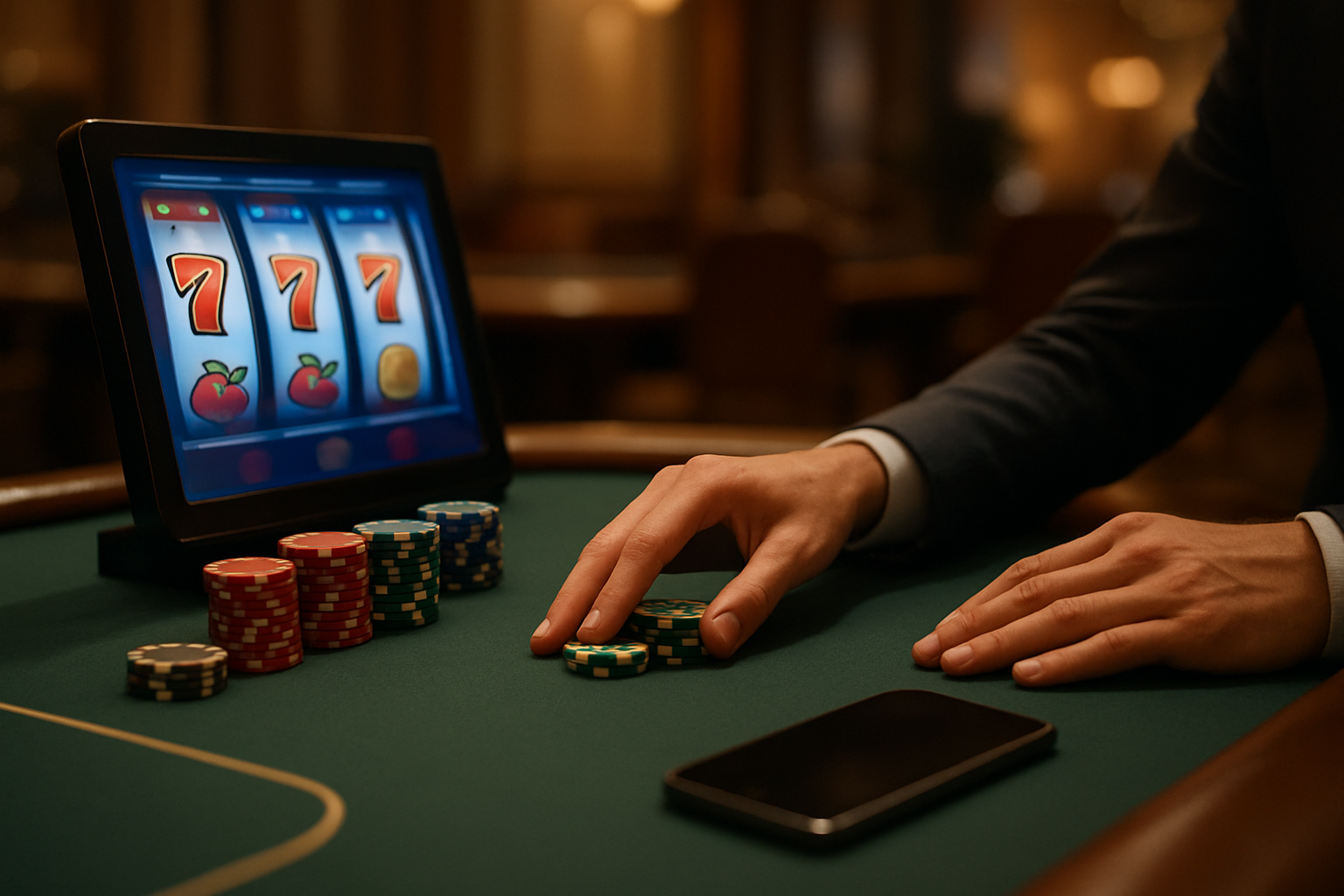
Stepping inside a glittering casino is thrilling. Bright lights, buzzing tables, and clinking chips promise fortune and excitement. Yet, beyond the games and glamour, casinos worldwide run on unwritten rules. Knowing these can be the difference between being welcomed at the table or asked to leave. Let’s explore casino etiquette with practical tips, funny mishaps, and cultural quirks from around the globe.
The Universal Rules of Casino Behavior
Whether you’re rolling dice in Las Vegas or shuffling cards in Macau, some basics apply everywhere. Yet, each place has its own customs too. Let’s start with the foundation of good casino conduct before we travel through stories and cultural surprises.
Dress Codes and First Impressions
When James Bond strode into the casino in a tuxedo, he set expectations high. Most modern casinos won’t turn you away for not wearing a bow tie. Still, dress codes do exist, and ignoring them is a classic faux pas.
- In most U.S. casinos, neat casual clothing is a safe bet. Avoid swimwear and sports jerseys.
- Europe tends toward the formal, especially in places like the Casino de Monte-Carlo. Jackets or even ties may be required in the main rooms.
- Macau’s flashy resorts prefer tidy, fashionable attire. Local custom favors long pants and collared shirts.
Showing up underdressed might not keep you out, but it can keep you from the best tables. One group of American tourists in Monte-Carlo tried playing roulette in flip-flops. They were gently reminded by staff that a dinner jacket makes luck look better.
Table Manners: Leaving a Good Impression
Deciding to join a table game? There’s a graceful way to sit, play, and leave. Following these steps keeps the game running and makes you welcome by staff and players alike.
- Wait for a Break: Don’t jump into a hand-in-progress. Wait until the dealer signals it’s fine to join.
- Handle Chips Properly: Place your bet clearly so everyone sees it. Don’t touch chips once bets are called.
- Card Etiquette: Keep your cards on the table, in plain view. Avoid lifting both cards off the felt.
- No Phones at the Table: Most casinos ban mobile phones at table games. Step away to take a call or text.
A famous mishap occurred in Atlantic City when a high roller answered an urgent call mid-blackjack. Security politely told him to finish the hand or step away; his six-figure bet sat ignored while he resolved a pizza order. Other players groaned. The lesson? Keep games moving and don’t stall the action.
Chips, Cash, and the Dance of the Dealer
Chips are the lifeblood of any casino game. How you buy them, handle them, and cash them out reveals your table savvy—or lack of it.
Buying In the Right Way
Never thrust cash into the dealer’s hand. Casino dealers aren’t allowed to take money directly from you. Instead, place your cash flat on the table. The dealer will spread it out, count it aloud, and exchange it for chips in view of surveillance cameras. Some casinos insist that you stack your chips neatly in front of you and avoid mingling them with others.
There’s a legendary Las Vegas story about a tourist who tried paying the dealer with a fistful of singles for a $100 buy-in, tossing bills onto a spinning roulette wheel. Security arrived before the wheel stopped turning. Today’s tip: keep all transactions clear and calm. Wait your turn, as crowded tables often require patience.
Tipping: Gratitude without Pressure
Tipping rules can be a mystery, especially for beginners. Should you tip your dealer or not? Here’s what seasoned players do:
- In the U.S., it’s common to tip dealers by handing them chips after a big win or a good session.
- Chips should be slid across the felt—not handed directly. Say, “This is for you,” so there’s no misunderstanding.
- In many Asian casinos (especially mainland China), staff cannot accept tips at all. Attempting can cause discomfort or even disciplinary action for staff.
The unwritten rule: tip if you’re winning and had fun, but don’t feel pressured if you lose. In Monte Carlo, a British winner once tipped the croupier so generously that staff returned most of it, insisting, “We pay our staff well, Monsieur!” In short: tip with goodwill and awareness of local practice.
The Secrets of Table Talk
Casinos are social places, but poker faces exist for a reason. What you say around the table—and how you say it—matters more than you might expect.
Don’t Coach, Don’t Critique
Helping another player at the table, whether friend or stranger, is frowned upon. Offering advice—no matter how well-meaning—can disrupt the game and annoy other players. At a poker table in Singapore, a newcomer advised a friend on every hand. Not only did staff step in, but the rest of the table voiced their frustration. Keeping quiet is the respectful choice, even if you spot someone making rookie mistakes.
Respect the Flow—No Celebrations or Complaints
Winning a tough hand feels great, but gloating is poor taste. Likewise, sulking over losses can poison the mood. Most casino veterans recommend subtle celebrations and a calm demeanor. After all, luck changes fast. In Japan’s casino-style “pachinko” halls, exuberant behavior isn’t just discouraged; it’s seen as disruptive. The same is true in quiet high-limit rooms worldwide. Keep reactions subdued.
Photography, Phones, and Privacy
Documenting your big win for Instagram might be tempting. However, most casinos have strict rules on photography and filming. Security cameras are everywhere. But pointing your own camera at a gaming floor can be met with swift requests to put it away—or even to leave. This rule helps protect player privacy and prevent cheating.
One group of tourists at a London casino snapped selfies at the blackjack table. Within minutes, security escorted them out, explaining that even accidental captures of others’ hands breach policy. Play safe: enjoy the action unplugged.
Cultural Expectations: Casino Etiquette Around the World
Just when you think you’ve learned casino etiquette, travel introduces new twists. Casino customs reflect local traditions, superstitions, and sensitivities. Spending time in a few international gambling hot spots makes these differences clear—and sometimes hilarious.
The Las Vegas Approach: Friendly, Fast, and Fun
America’s gaming capital runs on energy and openness. Dealers chat, games move quickly, and everyone is encouraged to have fun. Still, rules matter:
- Tip generously
- Keep drinks away from chips and cards
- Don’t blame the dealer for losses
In one memorable story, a novice threw cards at the dealer after losing a big hand. Security had a quick word, and he left with a lesson—your frustration should never become someone else’s problem.
The Monte-Carlo Code: Elegance and Discretion
Gambling in Monaco is an occasion. Staff and locals watch for elegance, not only in clothing but also in manners. Loud behavior is discouraged, and so is outshining others with flashy gestures. Players who get too boisterous may find themselves politely ignored. A well-known regular once had too much champagne and burst into song after a win; by the next day, staff greeted him just a shade cooler.
Macau’s Mix: Tradition and Luck
Asia’s casino hub brings together European game structure with deep local customs. The color red symbolizes good fortune, so you’ll see it everywhere—on walls, staff ties, even the chips. Avoid talking about bad luck or death at the table, as these are considered ill-omened topics. Some table games are played counterclockwise, bucking the Western tradition. At baccarat tables, players may tap, squeeze, or bend cards for luck.
Let’s not forget the classic faux pas: one foreign visitor cut in on a high-stakes game, failing to bow slightly as greetings dictated. He was met with cold stares, despite his impressive buy-in.
Australian “Pokies” Etiquette
Slot machines, affectionately called “pokies,” have a different code in Australian casinos. Taking a short break? You can save your machine by placing a reserved sign or your belongings on the seat. This is understood, but don’t disappear for more than a few minutes—other players are patient, but not that patient. Once, a tourist hogged several machines with spare scarves. Locals grumbled until staff stepped in. Respect others’ turns, and never lurk too closely behind someone playing.
Japan’s Pachinko Parlor Rules
While not exactly a casino, pachinko parlors have strict etiquette. Players rarely talk. Cheering or shouting, common in Western slots areas, is unwelcome. Smoking may be allowed, but dropping cigarette ash on the floor is not. Newcomers sometimes miss subtle cues, like offering a small bow to staff after cashing out. Compliments and formal gratitude are currency here.
Classic Casino Faux-Pas: Stories to Remember
Mistakes happen, especially in high-energy environments where excitement runs high. Here are some of the most common blunders—and the memorable stories behind them.
The Leaner and the Lurker
Every seasoned dealer knows the “leaner”—a player who leans over to peek at other hands, hoping for an edge. At a blackjack table in Atlantic City, a notorious leaner was politely but firmly told, “Play your own game, friend!” Players value privacy, and leaning too far can win you enemies, not money.
The Chip Snatcher
On a lively roulette night in London, a newcomer tried to collect his winnings by grabbing chips before the dealer announced results. This not only led to a scolding but a reminder: never touch chips in play, even if you’re sure you’ve won. Always wait for the dealer’s signal.
The Table Hopper
A casino in Singapore once had a visitor who bounced between tables, placing minimal bets, and leaving if luck didn’t come fast. Dealers and other players grew irritated. Casino etiquette favors those who settle in rather than disrupt the flow. Many casinos discourage this “hit and run” style; it’s better to commit, even for a short session.
The Loud Winner
In Monte-Carlo, a group of friends cheered every win with high-fives and singing. After a gentle but firm talk from staff, they learned that what plays in Las Vegas doesn’t always translate. Around the world, loud public displays of joy are usually frowned upon on the casino floor.
A Beginner’s Guide: How to Join the Table Like a Pro
If you’re new to live casino games, the intimidating part is often not how to play, but how to act. Here’s a step-by-step breakdown for your first time at the table:
- Watch a few hands first. Get a feel for the pace and the interaction between dealer and players.
- Wait for a natural break to sit down. Ask politely, “Is this seat free?”
- Place your buy-in money on the table without saying anything. The dealer will handle the rest.
- Stack your chips neatly and keep your hands off other players’ stacks.
- When betting, place chips in clearly marked areas. Avoid touching your bet again once play begins.
- If you need to leave, wait until after a hand and take your chips with you. Don’t disrupt a game in progress.
These basics will keep you welcome. And if you’re unsure, staff are almost always happy to guide you—they want games to run smoothly too.
Essential Casino Etiquette: At a Glance
Sometimes you need a cheat sheet. Here are the big do’s and don’ts to keep your play pleasant and trouble-free:
- Do:
- Respect dealers and other players.
- Follow dress codes and local customs.
- Treat chips and cards carefully.
- Tip when appropriate.
- Ask questions if you’re unsure.
- Don’t:
- Touch other people’s chips or cards.
- Use your phone at the table.
- Coach others or criticize play.
- Celebrate too loudly or sulk over losses.
- Take pictures on the gaming floor.
The Unspoken Language of Casino Play
You might notice players signaling rather than speaking. This “unspoken language” keeps games efficient and secure. In blackjack, for example, tapping the table means “hit me,” while waving your hand horizontally means “stand.” Learning these simple gestures makes you look sharp and keeps misunderstandings to a minimum.
In some games, lifting your chips over the betting line by mistake can lock in your bet, even if it wasn’t intended. Dealers are quick to spot errors but expect you to play by the house’s interpretation of the rules. If you ever make a mistake, apologize simply and move on—everyone slips up now and then.
The Role of Security and Surveillance
Casino etiquette isn’t only about politeness. Strict rules protect the fairness and safety of the games. Security cameras watch every corner. Pit bosses keep an eye on table play. Even well-meaning actions—like helping someone pick up dropped chips—can look suspicious on camera. If you need help, ask the staff before taking action yourself. A quick word with the dealer is always safer than acting impulsively.
When Things Go Wrong: Handling Disputes
Mistakes happen. A misplaced bet, a disputed hand, or unclear rules can all spark tension. Staying calm is the key. Address concerns to the dealer politely. If resolution isn’t immediate, a supervisor will handle it. Most casinos take fairness seriously and want to resolve disputes smoothly. Losing your temper or raising your voice, though, rarely helps your case and can even get you escorted off the premises.
Final Thoughts
Casinos dazzle with drama and risk, but the best experiences come from understanding the subtle rules that guide every game. Showing respect, adapting to local customs, and keeping the mood friendly open more doors than any lucky streak. Next time you step onto the gaming floor, you’ll carry yourself with poise—and perhaps even spark a memorable story of your own. Good luck and enjoy the game.